Describe the Structure and Function of Intervertebral Discs
They increase the flexibility of the spine. Alterations in this structure are manifest in a variety of clinical conditions routinely encountered in orthopaedic physical therapy practice.

Structure And Function Of The Vertebral Column Musculoskeletal Key Structure And Function Column Sacroiliac Joint
Describe the arrangement of the vertebrae in the vertebral column Understand the main features of a typical vertebrae and identify the atypical vertebrae To be able to identify the vertebrae from the cervical thoracic lumbar and sacral regions describe the structure and function of the intervertebral discs To describe the different joints within the vertebral column To identify the.
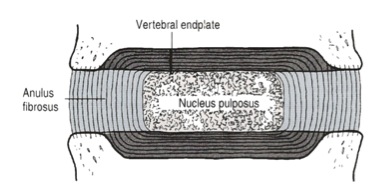
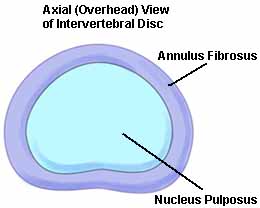
. They provide cushioning for the vertebrae and reduce the stress caused by impact. By keeping the vertebrae separated. When pressure is exerted on the spine through activity or shocks the gel redistributes itself within the annulus fibrosus to distribute the.
Each articulation is stabilized by ligaments. Arthritis Res Ther 9 R45. Describe the seven major ligaments that support the knee and the function of each.
The inter- vertebral disc serves primarily to allow movement between adjacent vertebral bodies to absorb shock and to transmit loads through the vertebral column. Intervertebral discs are made of fibrocartilaginous material comprising an outer coat made of a tough material called the annulus fibrosus and an inner jelly-like mucoprotein gel called the nucleus pulposus. Describe the structure of the intervertebral discs.
The structural classification of the intervertebral disc joint is a fused fibrocartilaginous symphysis. Referring to how the content of the intervertebral foramina can be affected by herniations of the intervertebral disc. The fluid space is important in the nutrition of the disc showing plastic deformation and recovery characteristics.
Tough outer anulus fibrosus and gelatinous inner nucleus pulposus. A Humzah MD Soames RW 1988 Human intervertebral disc. An intervertebral disk acts as shock absorber between each of the vertebrae in the spinal column by keeping the vertebrae separated when there is impact from activity.
Anat Rec 220 337356. Because of their flexibility the intervertebral discs allow the spine to twist and bend throughout a wide range of postures. The structural elements both macroscopically and microscopically together with the biochemical elements are intimately related to function.
The unique structure and. The complex morphology and ultrastructure of the intervertebral disc of the lumbar spine in the human provide the critical elements that permit normal mobility and transmission of force through the vertebral column. Best Pract Res Clin Rheumatol 24 769781.
The intervertebral discs have the following functions. It has a heterogeneous composition and. 6 in the cervical region neck 12 in the thoracic region middle back and 5 in the lumbar region lower back.
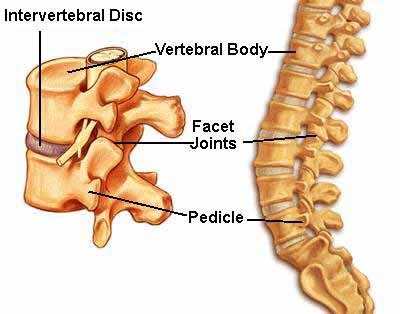
There are 23 discs in the human spine. Highlight the anatomical relationship and clinical importance of the intervertebral disc with the intervertebral foramina and their content. Consists of the intervertebral disc mostly type I1 collagen and 2 facet joints Figure 1.
The central gelatinous nucleus pulposus NP the. The intervertebral disc should not be though of as a homogeneous and static structure. It is a cushion of fibrocartilage and the principal joint between two vertebrae in the spinal column.
The complex morphology and structure of the intervertebral disc of the lumbar. Possible role in the pathogenesis of intervertebral disc structure and function. It performs these functions through its heterogeneous structural organization and biochemical composition consisting of several tissue substructures.
Cellular senescence in degenerate intervertebral discs. However functionally it is considered an amphiarthrosis which permits a limited amount of movement. It has a heterogeneous composition and responds dynamically to applied loads.
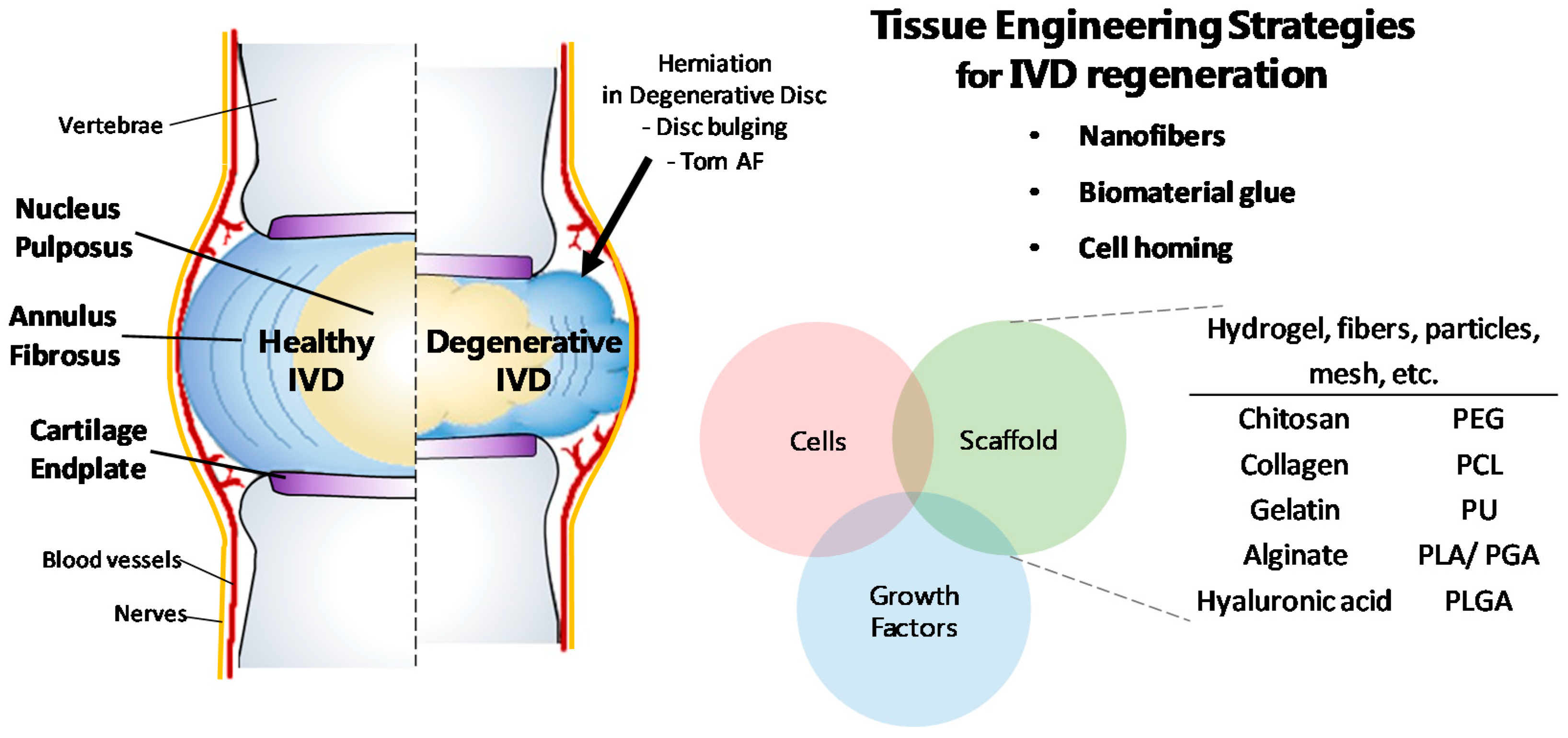
The intervertebral disc IVD is important in the normal functioning of the spine. The intervertebral disc IVD is a structure consisting of fibrocartilage that lies between the vertebral bodies to provide flexibility and hold compression. Intervertebral disc degeneration IDD is a natural process of aging.
They help protect the nerves that run down the spine and between the vertebrae. The intervertebral disc should not be thought of as a homogeneous and static structure. The structural elements both macroscopically and microscopically together with the biochemical elements are intimately related to function.
Vertebrae connected by flexible intervertebral discs. Describe the structure location and function of the intervertebral discs. The soft and deformable nature of the intervertebral disc allows it to translate tilt rock and compress increasing the range of motion of the vertebral.
The intervertebral discs IVD functions to permit motion distribute load and dissipate energy in the spine. In addition to allowing flexibility the intervertebral discs function in both absorbing energy and distributing loads applied to the spine.
Understanding Spinal Anatomy Intervertebral Discs

Schematic Representations Of The Adult Intervertebral Disc Ivd A Download Scientific Diagram

Axial Skeleton Osteology And Arthrology Clinical Gate Osteology Axial Skeleton Human Skeletal System

Pin On Physiotherapy
Understanding Spinal Anatomy Intervertebral Discs

Intervertebral Discs

Typical Vertebral Structure Human Anatomy And Physiology Medical Coding Science Revision

Pin By Ahmed Fateen On Anatomy Structure And Function Column Human Body

Structure And Function Of The Shoulder Complex Musculoskeletal Key Structure And Function Anatomy Bones Body Anatomy
Polymers Free Full Text Tissue Engineering Strategies For Intervertebral Disc Treatment Using Functional Polymers Html
Intervertebral Disc Physiopedia
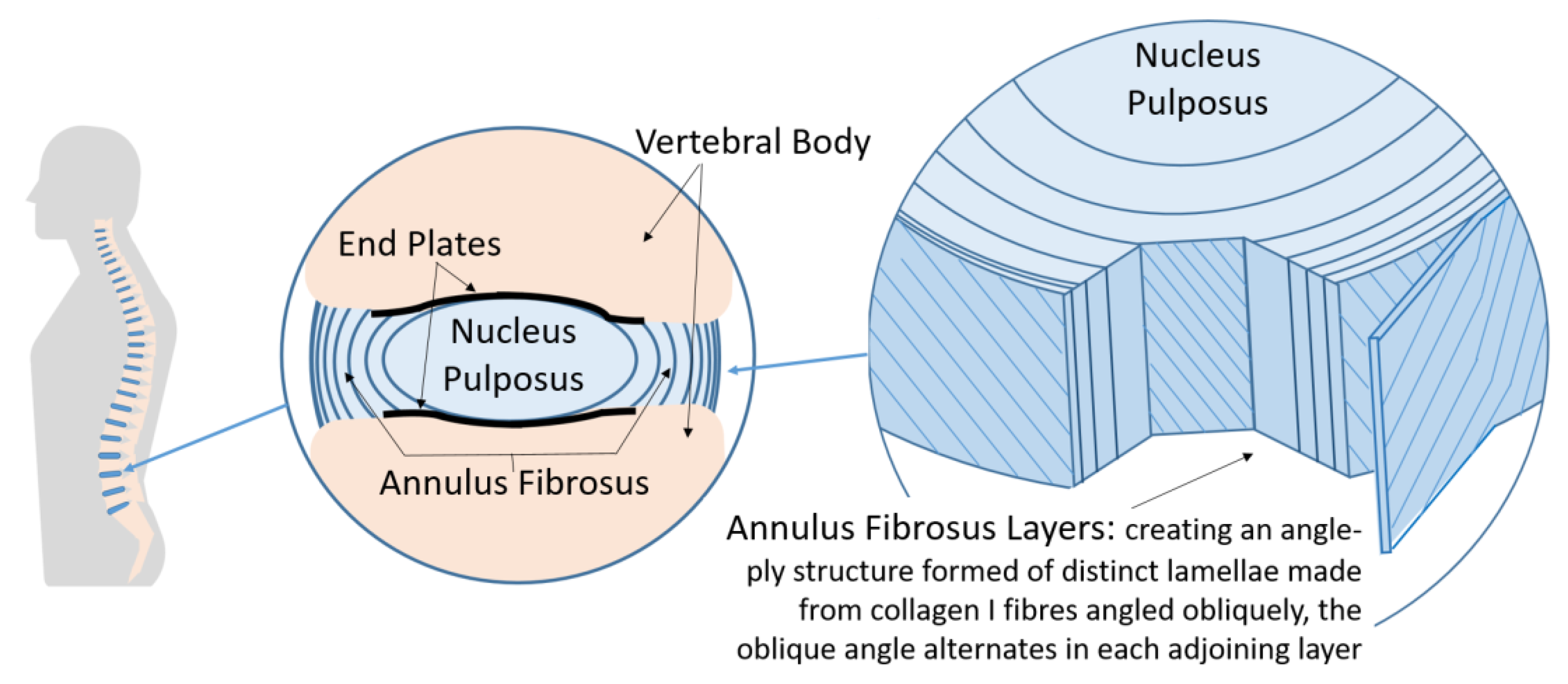
Bioengineering Free Full Text Lumbar Intervertebral Disc Herniation Annular Closure Devices And Key Design Requirements Html
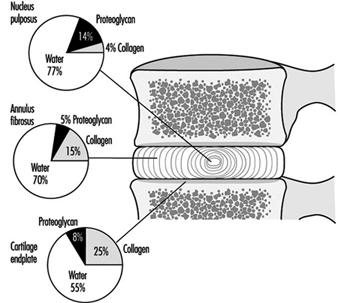
Intervertebral Discs

Structure And Function Of The Vertebral Column Musculoskeletal Key In 2021 Axial Skeleton Osteology Structure And Function

Structures Of Vertebral Body And Intervertebral Disk Download Scientific Diagram

Intervertebral Discs In Yoga Managing Mechanical Forces Stacy Dockins
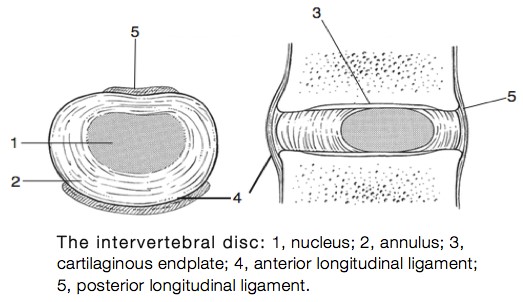
Intervertebral Disc Physiopedia

Disc Herniation Nomenclature Radiology Case Radiopaedia Org Disk Herniation Radiology Medical Illustration

Structure And Function Of The Vertebral Column Musculoskeletal Key Kafataslari


Comments
Post a Comment